

Multifunction sewing machines have become a staple in both professional sewing studios and home workshops, offering a wide range of stitching options to meet diverse sewing needs. One of the key features that many sewers look for in a sewing machine is the reverse stitch function. In this blog post, we'll explore whether multifunction sewing machines typically have a reverse stitch function, why it's important, and how it enhances the overall sewing experience.
The Prevalence of Reverse Stitch Function in Multifunction Sewing Machines
As a supplier of multifunction sewing machines, I can attest to the fact that the vast majority of modern multifunction sewing machines come equipped with a reverse stitch function. This feature has become so standard that it's almost expected in any machine that claims to offer multiple sewing capabilities. Whether you're looking at a basic Multifunctional Household Sewing Machine for home use or a high - end industrial model, you're likely to find the reverse stitch option.
The reason for this widespread inclusion is simple: the reverse stitch function is incredibly useful in sewing. It allows the user to reinforce stitches at the beginning and end of a seam, preventing them from unraveling. This is especially important when working with fabrics that are prone to fraying or when creating items that will undergo a lot of stress, such as clothing or upholstery.
How the Reverse Stitch Function Works
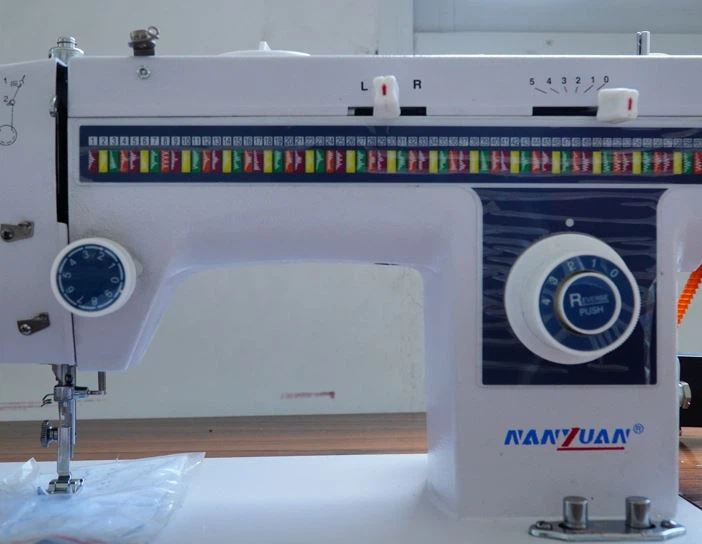
The reverse stitch function on a multifunction sewing machine is usually activated by a lever or a button located on the front or side of the machine. When you engage this function, the machine will start stitching in the opposite direction of its normal forward motion. This can be done at any point during the sewing process, but it's most commonly used at the start and end of a seam.
To reinforce a seam, you simply start sewing forward as normal. Once you've sewn a few stitches, engage the reverse stitch function and sew back over the same area. This creates a double - layer of stitches that hold the fabric together more securely. At the end of the seam, repeat the process: sew forward to the end, then engage the reverse stitch to reinforce the end of the seam.
Benefits of the Reverse Stitch Function
1. Seam Durability
As mentioned earlier, the primary benefit of the reverse stitch function is to increase the durability of seams. By reinforcing the beginning and end of a seam, you prevent the stitches from coming undone, which is especially important for items that will be washed, worn, or used frequently. For example, when sewing a pair of jeans, using the reverse stitch at the seams ensures that the fabric won't start to fray and the seams won't come apart after a few wears.
2. Professional - Looking Results
A well - reinforced seam gives your sewing projects a more professional appearance. Whether you're making a simple pillowcase or a complex evening gown, using the reverse stitch function will make your seams look neater and more finished. This is because the reinforced stitches are less likely to pull out or become loose, which can make a project look sloppy.
3. Versatility
The reverse stitch function adds to the versatility of a multifunction sewing machine. It can be used in a variety of sewing techniques, not just for straight seams. For example, when sewing curves or corners, you can use the reverse stitch to make sure the fabric stays in place and the seam is secure. It's also useful when doing decorative stitching, as it allows you to create more complex and interesting patterns.
Our Multifunction Sewing Machines and Reverse Stitch
At our company, we offer a wide range of Multifunctional Household Sewing Machine and Black Multifunctional Household Sewing Machine models, all of which come with a reliable reverse stitch function. Our machines are designed to be user - friendly, with easy - to - reach levers or buttons for activating the reverse stitch.
We understand that different sewers have different needs, so our multifunction sewing machines also offer a variety of other features in addition to the reverse stitch. These include different stitch patterns, adjustable stitch length and width, and variable sewing speeds. Whether you're a beginner just learning to sew or an experienced professional looking for a high - quality machine, our products are designed to meet your requirements.
Case Studies: Real - World Use of Reverse Stitch
Let's take a look at some real - world examples of how the reverse stitch function is used in sewing projects.
Case Study 1: Clothing Construction
A customer who purchased our Multi Function Home Sewing Machine used it to make a summer dress. When sewing the seams of the dress, she made sure to use the reverse stitch at the beginning and end of each seam. After several washes, the dress still looked as good as new, with no signs of the seams coming apart. The reverse stitch function had ensured that the seams were strong and durable, even with regular wear and washing.
Case Study 2: Quilting
A quilter used our multifunction sewing machine to create a beautiful quilt. When stitching the layers of the quilt together, the reverse stitch function was essential for keeping the layers in place and preventing the stitches from unraveling. The quilter was able to create intricate patterns with ease, thanks to the machine's smooth reverse stitch operation.
Conclusion
In conclusion, most multifunction sewing machines do have a reverse stitch function, and it's a feature that offers numerous benefits to sewers of all skill levels. From increasing seam durability to creating professional - looking results, the reverse stitch function is an essential part of any sewing project.
If you're in the market for a multifunction sewing machine, we invite you to explore our range of products. Our machines are designed to provide you with the best sewing experience, with the reverse stitch function being just one of the many features that make them stand out. Whether you're a hobbyist or a professional, our multifunction sewing machines are sure to meet your needs.

If you're interested in learning more about our products or would like to discuss a potential purchase, please feel free to reach out. We're here to help you find the perfect sewing machine for your projects.
References
- Singer Sewing Machine Company. "Sewing Machine Basics: Reverse Stitch."
- Bernina International AG. "Benefits of Reverse Stitching in Sewing."
- Brother Industries, Ltd. "Using the Reverse Stitch Function on Your Brother Sewing Machine."