

Hey there! As an industrial sewing machine supplier, I often get asked, "How long does an industrial sewing machine last?" Well, it's not a one - size - fits - all answer, and in this blog, I'm gonna break it down for you.
Factors Affecting the Lifespan of Industrial Sewing Machines
Quality of the Machine
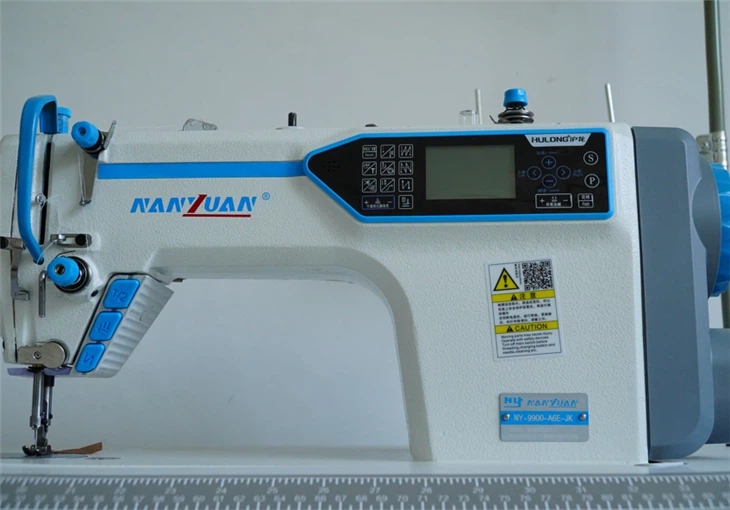
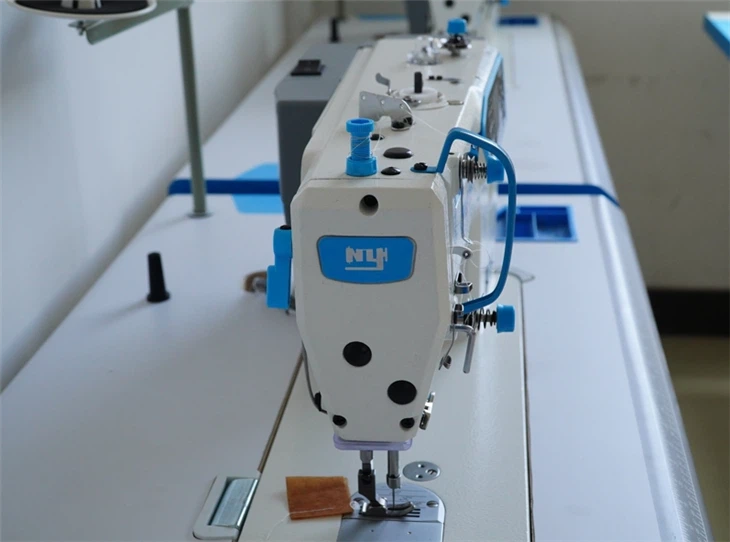
First off, the quality of the industrial sewing machine plays a huge role. High - end machines are built with better materials and more precise engineering. For instance, a well - crafted High Speed Industrial Sewing Machine from a reputable manufacturer is likely to last longer than a cheaper, low - quality alternative. These top - notch machines are designed to handle heavy - duty use day in and day out. They've got sturdier frames, better - made gears, and more reliable motors.
On the flip side, lower - quality machines might start showing signs of wear and tear after just a few years. The parts might not be as durable, and they could break down more easily. You know, it's like buying a cheap pair of shoes versus a high - quality pair. The cheap ones might fall apart quickly, while the good ones can last you for ages.
Frequency of Use
How often you use the industrial sewing machine is another big factor. If you're running a large - scale factory where the machines are in use 24/7, they're gonna have a shorter lifespan compared to a small workshop that only uses the machines a few hours a day.
Think about it. Constant use means more stress on the parts. The needles, threads, and moving components are all under pressure every time the machine is running. Over time, this can cause the parts to wear out faster. For example, a factory that produces thousands of garments a day will put a lot more strain on its Lightweight Fabric Industrial Sewing Machine than a small business that only makes a few custom pieces a week.
Maintenance and Care
Proper maintenance and care can significantly extend the life of an industrial sewing machine. Regular cleaning is essential. Dust, lint, and thread scraps can build up inside the machine and cause problems. You should clean the machine after every shift or at least once a day if it's in heavy use.
Lubrication is also crucial. The moving parts need to be lubricated to reduce friction. Without proper lubrication, the parts can wear out faster and even break. It's like oiling a car engine; if you don't do it, the engine is gonna have a hard time running smoothly.
And don't forget about timely repairs. If you notice a small problem, like a loose belt or a strange noise, don't ignore it. Fix it right away. Ignoring small issues can lead to bigger, more expensive problems down the road. A well - maintained Electronic Sewing Machine With Rotating Head can last much longer than one that's neglected.
Average Lifespan Estimates
General Estimates
On average, a well - maintained industrial sewing machine can last anywhere from 10 to 20 years. But this is just a ballpark figure. As I mentioned before, it depends on a lot of factors.
If you've got a high - quality machine that's used moderately and well - maintained, it could easily last 20 years or more. Some of the older models that were built like tanks are still going strong after 30 or even 40 years. These are the real workhorses of the sewing industry.
On the other hand, a lower - quality machine that's used intensively and not maintained well might only last 5 to 10 years. It's a big difference, and it shows how important it is to consider all the factors when you're investing in an industrial sewing machine.
Different Types of Machines
The type of industrial sewing machine also affects its lifespan. For example, a basic straight - stitch machine might last longer than a more complex machine with lots of features. Straight - stitch machines are simpler in design, with fewer moving parts. This means there are fewer things that can go wrong.
On the contrary, a machine with advanced features like a rotating head or multiple stitch patterns has more components. While these features can be really useful, they also increase the chances of something breaking. So, an Electronic Sewing Machine With Rotating Head might need more maintenance and could have a slightly shorter lifespan compared to a basic model.
Extending the Lifespan of Your Industrial Sewing Machine
Training Your Staff
One way to extend the lifespan of your industrial sewing machine is to train your staff properly. Make sure they know how to use the machine correctly. Improper use can cause a lot of damage. For example, if an operator uses the wrong needle for the fabric or sews at the wrong speed, it can put extra stress on the machine.
Training should also include basic maintenance tasks. Teach your staff how to clean the machine, lubricate it, and identify small problems. This way, they can take care of the machine on a daily basis and catch any issues early.
Upgrading Parts
Another thing you can do is upgrade the parts of your industrial sewing machine. As technology advances, there are often better - designed parts available. Upgrading the needles, bobbins, or motors can improve the performance of the machine and make it last longer.
For example, a new and improved needle might be more durable and cause less wear on the fabric and the machine itself. It's like giving your machine a little facelift to keep it running smoothly for years to come.
Conclusion
So, to sum it up, the lifespan of an industrial sewing machine can vary widely. It depends on the quality of the machine, how often you use it, and how well you take care of it. On average, a well - maintained machine can last 10 to 20 years, but with the right steps, you can extend that lifespan even further.
If you're in the market for an industrial sewing machine or looking to upgrade your existing ones, I'd love to have a chat with you. We've got a wide range of high - quality machines, including Lightweight Fabric Industrial Sewing Machine, High Speed Industrial Sewing Machine, and Electronic Sewing Machine With Rotating Head. Contact me to discuss your needs and find the perfect machine for your business.
References
- "Industrial Sewing Machine Handbook" by Industry Experts
- Various Manufacturer's Manuals for Industrial Sewing Machines