

Sewing children's clothes can be a rewarding and creative endeavor. Using a Zigzag Sewing Machine opens up a world of possibilities for adding unique details and ensuring a professional finish. As a supplier of high - quality Zigzag Sewing Machines, I'm excited to share some tips on how to use these machines effectively for sewing children's clothes.
Understanding Your Zigzag Sewing Machine
Before you start sewing, it's essential to understand the basic functions of your Zigzag Sewing Machine. There are various models available, such as the Zigzag Direct Drive Sewing Machine, which offers smooth operation and precise control. Familiarize yourself with the stitch selector, which allows you to choose from different zigzag stitch patterns. You can adjust the width and length of the stitches according to your needs.
The tension control is another crucial aspect. Proper tension ensures that the thread flows smoothly through the fabric, preventing issues like loose or tight stitches. Refer to the machine's manual to set the correct tension for different types of fabrics. For children's clothes, you may often work with lightweight materials like cotton, so adjust the tension accordingly.
Preparing the Machine
First, make sure your machine is clean and well - lubricated. Dust and lint can accumulate over time, affecting the machine's performance. Use a small brush to clean the bobbin area and other moving parts. Then, insert the needle. For sewing children's clothes, a fine - gauge needle is usually recommended, as it causes less damage to the fabric.
Next, wind the bobbin. Most Zigzag Sewing Machines have a built - in bobbin winder. Place the thread on the spool pin, guide it through the necessary tension discs and holes, and then wind the thread onto the bobbin. Make sure the bobbin is wound evenly and not too tightly.
Thread the machine following the threading diagram provided in the manual. Start with the top thread, guiding it through the tension discs, take - up lever, and finally through the needle eye. Then, bring up the bobbin thread and combine it with the top thread.
Choosing the Right Fabric
When sewing children's clothes, fabric selection is key. Opt for soft, breathable, and comfortable materials. Cotton is a popular choice as it is gentle on children's skin. You can also consider cotton blends, which offer added durability. Avoid fabrics that are too stiff or scratchy.
For different types of clothing, choose appropriate fabric weights. For summer clothes like dresses and shorts, lightweight cotton is ideal. For winter wear, such as sweaters or jackets, you may use thicker materials like wool blends.
Cutting the Fabric
Before cutting, wash and dry the fabric to pre - shrink it. This helps prevent the clothes from shrinking after the first wash. Use a sharp pair of fabric scissors or a rotary cutter to cut the fabric. Lay out the pattern pieces on the fabric, making sure to align them with the grainline. The grainline affects how the fabric drapes and stretches, so it's important to cut along the correct direction.
Mark the cutting lines with tailor's chalk or fabric markers. Cut around the pattern pieces carefully, leaving a small seam allowance, usually about 0.5 - 1 inch depending on the style of the garment.
Sewing Straight Seams
To sew straight seams, set your machine to a straight stitch. Place the fabric under the presser foot, aligning the raw edges with the seam allowance marked on the machine's throat plate. Lower the presser foot and start sewing. Keep your hands steady and guide the fabric smoothly through the machine.
Use a seam ripper to correct any mistakes. If the seam is not straight, carefully remove the stitches and try again. When sewing multiple seams, make sure to match the seam allowances at the corners and intersections.
Using Zigzag Stitches
Zigzag stitches are great for finishing edges and adding decorative details. For edge finishing, set the machine to a narrow zigzag stitch. Run the stitch along the raw edge of the fabric to prevent fraying. This is especially useful for lightweight fabrics that tend to fray easily.
You can also use zigzag stitches for decorative purposes. For example, you can create a scalloped edge on a collar or a hem. Adjust the width and length of the zigzag stitch to achieve different effects. Experiment with different stitch patterns on a scrap piece of fabric before applying them to the actual garment.
Sewing Curves and Corners
When sewing curves, slow down the sewing speed. Guide the fabric gently around the curve, using your fingers to control the direction. You may need to pivot the fabric at the corners. To do this, stop sewing when you reach the corner, lift the presser foot, turn the fabric, and then lower the presser foot and continue sewing.
Adding Buttons and Buttonholes
Buttons and buttonholes are common features in children's clothes. To sew on buttons, use a button - sewing foot if your machine has one. Place the button under the foot and guide the needle through the buttonholes. You can use a straight stitch or a zigzag stitch to secure the button.
For buttonholes, set your machine to the buttonhole stitch function. Most modern Zigzag Sewing Machines have an automatic buttonhole feature. Place the fabric at the correct position under the presser foot, and the machine will sew a perfect buttonhole. Make sure to test the buttonhole size on a scrap piece of fabric first to ensure the button fits properly.
Attaching Zippers
Zippers can add functionality to children's clothes. There are different types of zippers, such as invisible zippers and regular zippers. For regular zippers, place the zipper on the fabric with the teeth facing the seam allowance. Use a zipper foot to sew along the edge of the zipper.
For invisible zippers, the process is a bit more complex. Use an invisible zipper foot. Place the zipper face - down on the fabric, aligning the teeth with the seam line. Sew along the edge of the zipper, keeping the teeth hidden as much as possible.
Finishing Touches
After sewing all the seams, press the garment with an iron. Press the seams open or to one side depending on the style of the garment. This gives the clothes a more professional look.
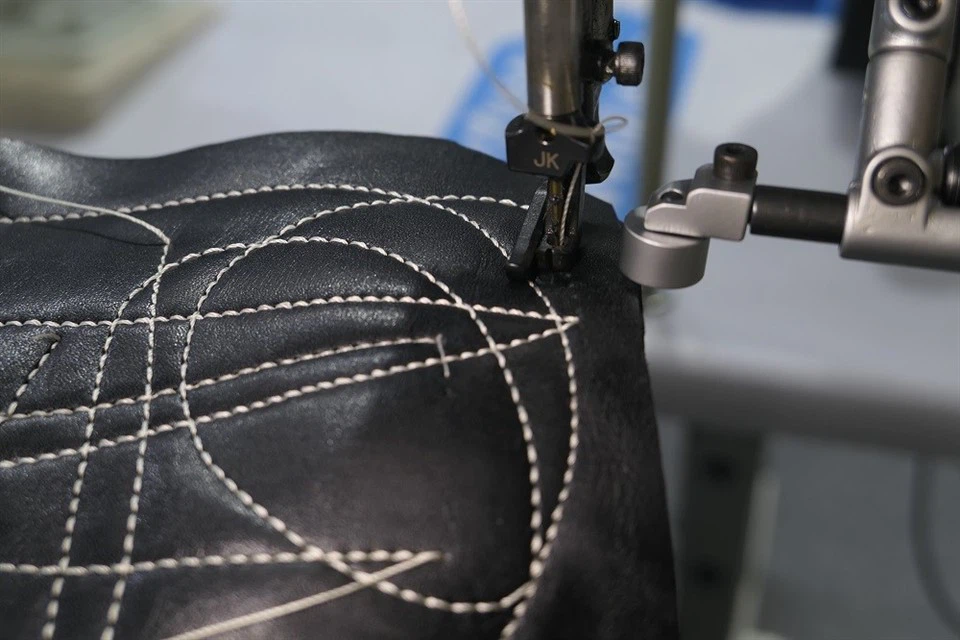

Add any additional details like embroidery or appliques. You can use the zigzag stitch to attach the appliques to the fabric. This adds a personal touch to the children's clothes.
Maintaining the Machine
Regular maintenance is crucial for the longevity of your Zigzag Sewing Machine. After each use, clean the machine to remove any lint and thread scraps. Check the needle for any signs of damage and replace it if necessary.
Lubricate the machine according to the manufacturer's instructions. Over - lubricating can also cause problems, so follow the recommended guidelines.
Conclusion
Using a Zigzag Sewing Machine to sew children's clothes is a fun and rewarding activity. With the right techniques and a bit of practice, you can create beautiful, custom - made clothes for children. As a supplier of Zigzag Sewing Machine, we are committed to providing high - quality machines that meet your sewing needs.
If you are interested in purchasing a Zigzag Sewing Machine or have any questions about our products, we invite you to contact us for a purchase negotiation. Our team of experts is ready to assist you in finding the perfect machine for your sewing projects.
References
- Singer Sewing Machine Company. "Sewing Machine Manuals."
- Vogue Patterns. "Patternmaking and Sewing Guide."
- McCall's Sewing. "Sewing for Children: Tips and Tricks."