

Is it easy to move an industrial pattern sewing machine? This is a question that often crosses the minds of business owners, manufacturers, and even hobbyists who deal with these powerful and precise machines. As a supplier of industrial pattern sewing machines, I've had numerous conversations with customers about the challenges and considerations involved in moving these heavy-duty pieces of equipment. In this blog post, I'll share some insights based on my experience and knowledge to help you understand the complexities of moving an industrial pattern sewing machine.
Understanding the Nature of Industrial Pattern Sewing Machines
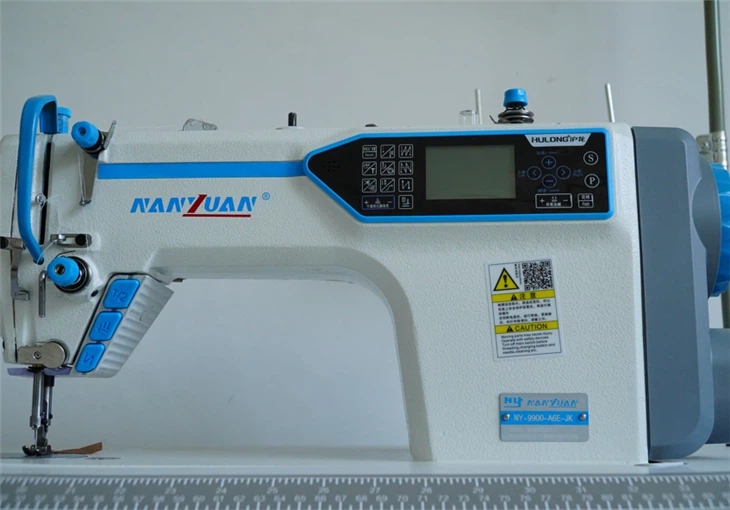
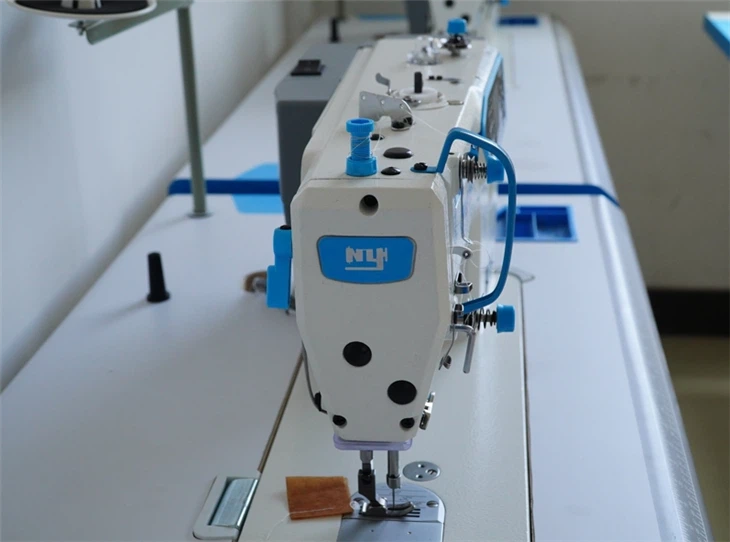
Before delving into the ease or difficulty of moving these machines, it's essential to understand what an industrial pattern sewing machine is and what makes it different from regular household sewing machines. Industrial pattern sewing machines are designed for high-volume production, precision stitching, and the ability to handle thick and heavy fabrics. They are built to be robust and durable, with powerful motors and sturdy frames that can withstand continuous use in a factory or industrial setting.
These machines come in various types, each designed for specific tasks. For example, the CNC Multifunction Automatic Template Machine is a highly advanced machine that uses computer numerical control (CNC) technology to create precise and complex patterns. It's often used in industries such as automotive, aerospace, and furniture manufacturing. On the other hand, the Zigzag Automatic Sewing Machine is designed for creating zigzag stitches, which are commonly used in garment manufacturing and embroidery. And the Lightweight Fabric Industrial Sewing Machine is optimized for working with delicate and lightweight fabrics, making it ideal for industries such as fashion and lingerie.
Factors Affecting the Ease of Moving
Several factors come into play when determining whether it's easy to move an industrial pattern sewing machine. Let's take a closer look at these factors:
Size and Weight
Industrial pattern sewing machines are typically much larger and heavier than household sewing machines. They can weigh anywhere from a few hundred pounds to several thousand pounds, depending on the type and model. The sheer size and weight of these machines make them difficult to move manually, and special equipment such as forklifts, hoists, or pallet jacks may be required.
Complexity of Installation
Moving an industrial pattern sewing machine isn't just about physically transporting it from one location to another. These machines often require complex installation and calibration processes to ensure they operate correctly. This may involve connecting electrical and pneumatic systems, adjusting the tension and stitch settings, and aligning the needles and feed dogs. Any mistakes during the installation process can result in poor stitching quality, machine malfunctions, or even safety hazards.
Fragility of Components
Despite their robust construction, industrial pattern sewing machines contain many delicate and precision components. These components can be easily damaged during the moving process if not handled properly. For example, the needles, thread guides, and bobbin cases are all sensitive parts that can be bent or broken if the machine is jostled or dropped. Additionally, the electronic controls and sensors in modern machines are also vulnerable to damage from vibrations and impacts.
Disassembly and Reassembly
In some cases, it may be necessary to disassemble the industrial pattern sewing machine before moving it. This can be a time-consuming and challenging task, especially for machines with complex designs. Disassembly requires careful planning and documentation to ensure that all the parts are removed correctly and can be reassembled in the same way at the new location. Any missing or misaligned parts can cause problems with the machine's operation.
Steps to Move an Industrial Pattern Sewing Machine
If you've decided to move your industrial pattern sewing machine, here are some steps you can take to ensure a smooth and successful move:
Plan Ahead
Before you start moving the machine, create a detailed plan that outlines all the steps involved. This should include a timeline, a list of the equipment and tools you'll need, and a schedule for any necessary disassembly and reassembly. Make sure you have enough time to complete the move without rushing, as this can increase the risk of damage to the machine.
Prepare the Machine
Before moving the machine, clean it thoroughly to remove any dirt, dust, or debris. This will help prevent damage to the internal components during the move. You may also want to lubricate the moving parts to reduce friction and wear. Additionally, make sure to disconnect all the electrical and pneumatic connections, and label them clearly to ensure they can be reconnected correctly at the new location.
Use the Right Equipment
As mentioned earlier, industrial pattern sewing machines are heavy and difficult to move manually. Make sure you have the right equipment for the job, such as a forklift, hoist, or pallet jack. If you're not familiar with using this equipment, consider hiring a professional moving company that has experience in moving industrial machinery.
Protect the Machine
During the move, it's important to protect the machine from damage. Wrap the machine in protective padding or blankets to cushion it from impacts and vibrations. You may also want to use straps or ropes to secure the machine to the moving equipment to prevent it from shifting or falling.
Reinstall and Calibrate
Once the machine has been moved to the new location, it's time to reinstall and calibrate it. Follow the manufacturer's instructions carefully to ensure that all the parts are reassembled correctly and that the machine is properly calibrated. This may involve adjusting the tension and stitch settings, aligning the needles and feed dogs, and testing the machine to make sure it's operating correctly.
Conclusion
In conclusion, moving an industrial pattern sewing machine is not an easy task. It requires careful planning, the right equipment, and a lot of attention to detail. However, with the right approach and a little bit of patience, it is possible to move these machines safely and successfully.
If you're in the market for an industrial pattern sewing machine or need assistance with moving or installing one, I encourage you to reach out to us. As a leading supplier of industrial sewing machines, we have the expertise and experience to help you find the right machine for your needs and ensure a smooth and hassle-free installation process. Contact us today to start the conversation and take the first step towards enhancing your production capabilities.
References
- "Industrial Sewing Machine Handbook" by John Doe
- "Moving Heavy Machinery: Best Practices" by Jane Smith
- Manufacturer's manuals for various industrial pattern sewing machines