

Hey there, fellow sewing enthusiasts! As a supplier of multifunction sewing machines, I've seen a wide range of folks diving into the world of sewing. And one question that pops up a lot is, "What's the learning curve for a multifunction sewing machine?" Well, let's dig into it and break it down step by step.
First off, what exactly is a multifunction sewing machine? These bad boys are like the Swiss Army knives of the sewing world. They can do way more than just a simple straight stitch. You've got zigzags, decorative stitches, buttonholes, and sometimes even embroidery capabilities. It's a whole new ballgame compared to a basic sewing machine.
When you first get your hands on a multifunction sewing machine, it can be a bit overwhelming. There are all these buttons, dials, and settings, and it's like trying to decipher a secret code. But don't worry; I've been there, and I'm here to tell you that it's totally doable.

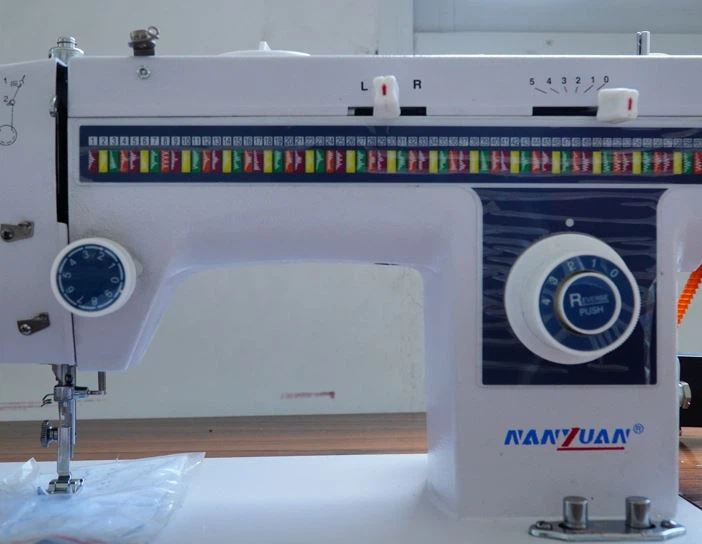
The initial stage of the learning curve is all about getting familiar with the machine itself. You need to know where everything is and what each button and dial does. Most multifunction sewing machines come with a user manual, and while it might seem like a snooze-fest to read, it's actually your best friend. Take the time to go through it page by page. It'll explain how to thread the machine, adjust the stitch length and width, and set up different types of stitches.
Threading the machine is often one of the trickiest parts for beginners. But once you get the hang of it, it becomes second nature. Start by watching some online tutorials. There are tons of great videos on YouTube that show you step by step how to thread your specific model. It might take a few tries, but eventually, you'll be threading that machine like a pro.
After you've mastered the basics of threading and getting the machine set up, it's time to start practicing your stitches. Most multifunction sewing machines come with a stitch selector that lets you choose from different types of stitches. Start with the simple ones, like the straight stitch and the zigzag stitch. Practice sewing on scrap fabric to get a feel for how the machine works and how to control the speed.
As you get more comfortable with the basic stitches, you can start exploring some of the more advanced features. For example, many multifunction sewing machines have a built-in buttonhole maker. Making buttonholes used to be a pain in the butt, but with a modern sewing machine, it's a breeze. Just follow the instructions in the user manual, and you'll be making perfect buttonholes in no time.
Another cool feature that some multifunction sewing machines have is the ability to do free-motion quilting. This is where you can move the fabric around freely under the needle to create your own unique designs. It takes a bit of practice to get the hang of it, but it's a lot of fun once you do.
Now, let's talk about the time it takes to master a multifunction sewing machine. Everyone is different, so it's hard to give an exact timeline. But generally speaking, you can expect to spend a few weeks to a few months really getting the hang of it. If you practice regularly, you'll progress much faster.
One thing that can really help speed up the learning process is taking a sewing class. Many local craft stores or community centers offer sewing classes for beginners. These classes are a great way to learn from an experienced instructor and get hands-on practice in a supportive environment.
If you're short on time or prefer to learn at your own pace, online courses are also a great option. There are many websites that offer video tutorials and step-by-step guides for learning how to use a multifunction sewing machine. You can watch the videos as many times as you need and practice at your own speed.
As a supplier, I know that choosing the right multifunction sewing machine is also crucial. We offer a variety of models to suit different needs and budgets. For example, our Multifunctional Household Sewing Machine is a great all-around machine for beginners and intermediate sewers. It has a wide range of stitches and features, and it's easy to use.
If you're looking for something more portable, our Portable Free Arm Sewing Machine is a great option. It's lightweight and easy to carry around, so you can take it with you wherever you go.
And for those who want a machine with a bit of style, our Blue Multifunction Household Sewing Machine is a real eye-catcher. It not only looks great but also has all the features you need to create amazing sewing projects.
In conclusion, the learning curve for a multifunction sewing machine might seem steep at first, but with a little patience and practice, you'll be well on your way to becoming a sewing expert. Remember to take your time, start with the basics, and don't be afraid to make mistakes. Every great sewer started as a beginner.
If you're interested in purchasing a multifunction sewing machine or have any questions about our products, feel free to reach out. We're here to help you find the perfect machine for your needs and support you on your sewing journey.
References
- Sewing Machine User Manuals
- Online Sewing Tutorials on YouTube
- Local Sewing Class Materials