

Hey there! As a supplier of Cap Stitching Machines, I often get asked about what kind of threads are suitable for these machines. In this blog, I'm gonna share some insights based on my experience in the industry.
First off, let's understand the basics. Cap Stitching Machines are designed to sew caps, and the threads you choose can significantly impact the quality, durability, and appearance of the finished product. There are several factors to consider when selecting the right threads for your Cap Stitching Machine.
Thread Material
One of the most important aspects is the material of the thread. The most common materials used for cap stitching are polyester, cotton, and nylon.
Polyester Thread
Polyester thread is a popular choice for cap stitching. It's strong, durable, and resistant to abrasion, fading, and mildew. This makes it ideal for caps that will be exposed to the elements or heavy use. Polyester thread also has a smooth finish, which gives the stitches a clean and professional look. It's available in a wide range of colors, so you can easily match it to the fabric of the cap.
Cotton Thread
Cotton thread is another option. It's soft, breathable, and has a natural look and feel. Cotton is a great choice for caps made from natural fibers like cotton or linen. It's also biodegradable, which is a plus if you're going for an eco - friendly option. However, cotton thread is not as strong as polyester and may be more prone to fraying and breaking, especially under heavy stress.
Nylon Thread
Nylon thread is known for its high strength and elasticity. It's often used in caps that require a lot of stretch, such as sports caps. Nylon thread can withstand significant tension without breaking, making it suitable for high - speed stitching on Cap Stitching Machines. It also has good abrasion resistance, which is important for caps that will be rubbed against other surfaces.
Thread Weight
Thread weight is measured in different systems, but in general, it refers to the thickness of the thread. For Cap Stitching Machines, the most commonly used thread weights are between 60 and 120.

Light - Weight Threads (100 - 120)
Light - weight threads are thinner and are often used for fine stitching or when you want a more delicate look. They're suitable for caps made from lightweight fabrics like silk or chiffon. These threads can create intricate designs and are less likely to add bulk to the seams.
Medium - Weight Threads (80 - 100)
Medium - weight threads are a good all - around choice for most cap stitching applications. They're thick enough to provide strength but not so thick that they overwhelm the fabric. They work well with a variety of fabrics, including cotton, polyester blends, and denim.
Heavy - Weight Threads (60 - 80)
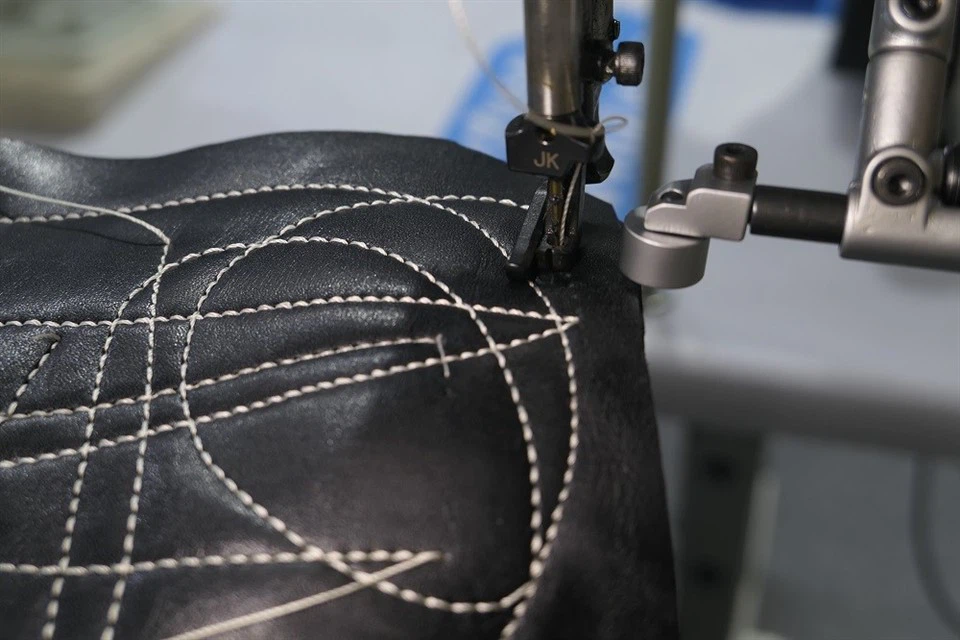
Heavy - weight threads are thicker and stronger. They're used for caps made from heavy - duty fabrics like leather or canvas. These threads can withstand more stress and are better suited for caps that will be subjected to rough handling.
Thread Finish
The finish of the thread can also affect its performance and appearance.
Waxed Thread
Waxed thread has a thin layer of wax on its surface. This wax helps to lubricate the thread as it passes through the machine, reducing friction and preventing tangling. Waxed thread is also more resistant to moisture and can be used in outdoor or wet conditions. It gives the stitches a slightly shiny appearance and can add a bit of stiffness to the seams.
Mercerized Thread
Mercerized cotton thread is treated with a caustic solution to give it a smooth, shiny finish. It's stronger and more color - fast than regular cotton thread. Mercerized thread is often used for decorative stitching on caps because of its attractive appearance.
Compatibility with the Machine
It's crucial to choose threads that are compatible with your Cap Stitching Machine. Some machines may work better with certain types of threads. For example, if your machine has a high - speed operation, you'll want to use a thread that can withstand the rapid movement without breaking.
Also, make sure the thread tension settings on your machine are adjusted correctly for the type of thread you're using. Incorrect tension can lead to uneven stitches, skipped stitches, or thread breakage.
Other Considerations
When choosing threads for your Cap Stitching Machine, you should also think about the end - use of the caps. If the caps are for fashion purposes, you may want to focus more on the color and appearance of the thread. If they're for industrial or work use, durability and strength should be your top priorities.
Now, let me introduce some other related products from our range. If you're interested in other types of sewing machines, we have the Inner Sewing Machine, which is great for more intricate inner stitching tasks. The Automatic Rubber Band Splicing Machine is perfect for adding rubber bands to caps or other products. And for general sewing needs, our Single Needle Industrial Sewing Machine is a reliable option.
In conclusion, choosing the right thread for your Cap Stitching Machine is a combination of considering the thread material, weight, finish, and compatibility with the machine. By taking these factors into account, you can ensure that your caps are sewn with high - quality stitches that will last.
If you're in the market for a Cap Stitching Machine or have any questions about thread selection, feel free to reach out. We're here to help you make the best choices for your business. Whether you're a small cap - making workshop or a large - scale manufacturer, we can provide you with the right equipment and advice. Let's start a conversation and see how we can work together to meet your cap - stitching needs.
References
- Textile Industry Handbook: Thread Selection Guide
- Sewing Machine Manufacturer's Manuals