

Hey there, fellow sewing enthusiasts! I'm a supplier of Automatic Electric Sewing Machines, and today I'm stoked to share with you how to do appliqué on these amazing machines. Appliqué is a super fun and creative way to add unique designs to your fabric projects, whether it's for clothing, home decor, or accessories. And with an Automatic Electric Sewing Machine, the process becomes even more efficient and enjoyable.
Getting Started with Appliqué
First things first, let's talk about what you'll need. You'll obviously need your Automatic Electric Sewing Machine. These machines are a game - changer for appliqué work. They offer precise stitching, adjustable stitch lengths and widths, and often come with a variety of built - in stitches that are perfect for adding that extra flair to your appliqué designs.
You'll also need some fabric. Choose a base fabric for your project, like cotton, denim, or even a lightweight wool. For the appliqué pieces, you can go wild with different colors and textures. Silk, felt, and jersey are all great options. Plus, don't forget about thread. Match the thread color to either the base fabric or the appliqué piece, depending on the look you're going for.
Preparing Your Fabrics
Before you start sewing, you've got to prep your fabrics. Wash and dry both the base fabric and the appliqué pieces. This helps to prevent any shrinkage later on. Once they're clean and dry, iron them to get rid of any wrinkles. A smooth surface is key for a professional - looking appliqué.
Next, you'll need to cut out your appliqué shapes. You can use scissors or a rotary cutter. If you're not confident in your free - hand cutting skills, you can trace shapes onto the fabric using a template. You can find templates online, in sewing magazines, or even make your own.
Positioning the Appliqué
Now, it's time to position your appliqué pieces on the base fabric. You can use pins to hold them in place, but be careful not to poke through the top layer of the appliqué if it's a delicate fabric. Another option is to use a temporary fabric adhesive. This holds the pieces in place without leaving any marks.
Once you're happy with the placement, it's a good idea to do a test stitch on a scrap piece of the same fabric. This allows you to adjust the stitch settings on your Automatic Electric Sewing Machine. You can play around with different stitch lengths and widths to see what looks best for your design.
Sewing the Appliqué
When you're ready to start sewing, lower the presser foot on your machine. Start stitching around the edge of the appliqué piece. You can use a straight stitch for a simple, clean look. If you want to add some more detail, try using a zig - zag stitch or a decorative stitch.
As you sew, make sure to keep the fabric taut. This helps to prevent any puckering or bunching. If you're sewing a curved shape, go slowly and use the handwheel on your machine to guide the needle through the turns.
Adding Embellishments
Appliqué is all about getting creative, so don't be afraid to add some embellishments. You can use beads, sequins, or embroidery floss to add extra sparkle and texture. To attach beads and sequins, you can use a needle and thread or a hot - glue gun. Just make sure to let the glue dry completely before handling the project.
For embroidery, you can use your Automatic Electric Sewing Machine's built - in embroidery stitches or do it by hand. Embroidery can add a beautiful, intricate touch to your appliqué.
Using Specialized Machines for Appliqué
If you're really into taking your appliqué game to the next level, you might want to check out some of our specialized machines. For example, the 360° Head Rotation Automatic Laser Template Machine is amazing for precise cutting and templating. It can help you create complex shapes with ease.
The Medium And Heavy Duty Leather Sewing Machine is perfect if you're working with thicker fabrics like leather or denim. It can handle the tough stitching required for these materials.
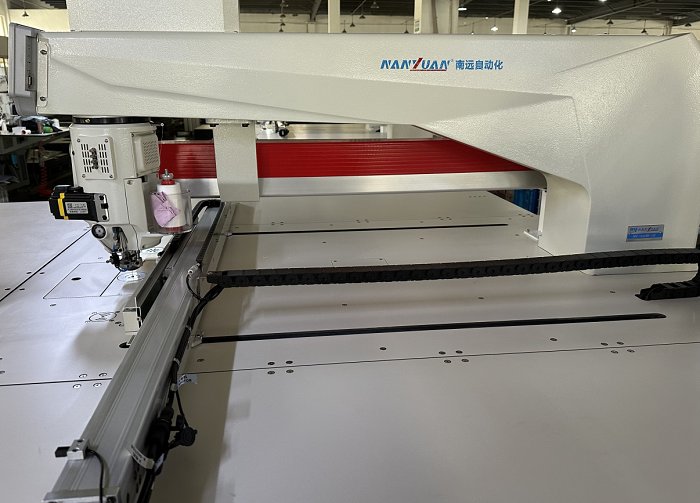

And if you're into making bags or other items that require opening up fabric, the Multifunction Laser Bag Opener is a great addition to your sewing setup.
Troubleshooting
Even with the best machines, you might run into some issues. If your stitches are skipping, it could be because the needle is dull or the thread tension is off. Try changing the needle and adjusting the tension settings on your machine.
If the fabric is bunching up under the presser foot, make sure you're using the right presser foot for the job. Some fabrics require a special presser foot, like a walking foot for slippery fabrics.
Finishing Touches
Once you've finished sewing and adding all your embellishments, it's time for the finishing touches. Trim any loose threads with sharp scissors. You can also wash and iron the project again to give it a fresh, clean look.
Why Choose Our Automatic Electric Sewing Machines
Our Automatic Electric Sewing Machines are top - notch. They're built to last, with high - quality components that ensure smooth and precise stitching. They're also user - friendly, with easy - to - understand controls and a variety of features that make appliqué and other sewing projects a breeze.
Whether you're a beginner or an experienced sewer, our machines can help you take your creativity to new heights. And with our range of specialized machines, you can expand your sewing capabilities and tackle even the most challenging projects.
Contact Us for Purchasing
If you're interested in purchasing an Automatic Electric Sewing Machine or any of our other specialized machines, we'd love to hear from you. We offer great prices, excellent customer service, and fast shipping. Whether you're a hobbyist or a professional in the sewing industry, we've got the right machine for you. Reach out to us to start a purchase negotiation and take your sewing projects to the next level.
References
- "The Complete Guide to Appliqué" by Jane Smith
- "Sewing Machine Basics" by Tom Johnson
- Various online sewing forums and blogs