

Introduction
Your sewing machine is the heart of your sewing workspace-whether you run a garment factory with dozens of industrial machines or own a single domestic model at home. Regular maintenance is never optional; it not only prevents breakdowns but also ensures consistent stitch quality, extends the service life of your equipment, and protects your investment.
This comprehensive guide covers everything you need to know about sewing machine care, from daily routines to weekly deep cleaning, monthly inspections, and professional servicing schedules.
I. The Importance of Maintenance
The Cost of Neglect
- Rough, skipped or broken stitches, severely compromising product quality
- Lint and dust buildup jamming mechanical parts, causing hardware failures
- Worn components damaging other parts in sequence, driving up repair costs
- Sudden downtime disrupting production and causing direct financial losses
Benefits of Proper Care
- Consistent, neat and uniform stitches
- Extended machine lifespan and maximized return on investment
- Significantly fewer repairs and lower maintenance costs
- Minimal production interruptions and improved workflow efficiency
- Reduced mechanical risks and enhanced operational safety
II. Understanding Key Sewing Machine Components
Familiarize yourself with these essential parts before performing maintenance to avoid mistakes:
Mechanical Components
- Needle: Pierces fabric and guides the upper thread
- Presser foot: Holds fabric steady and works with the feed dogs
- Feed dogs: Move fabric smoothly through the machine
- Bobbin and bobbin case: Hold the lower thread and ensure consistent delivery
- Tension discs: Control the tightness of the thread
- Take-up lever: Regulates the flow of the upper thread
Electrical Components
- Motor: Drives the machine's operation
- Control panel: Operates sewing functions and settings
- Switches and sensors: Control various operational parameters
- Circuit boards: Process electronic commands (for computerized models)
III. Tiered Maintenance Schedule (By Frequency)
Daily Maintenance (Before & After Each Use)
Before Sewing
- Visual inspection: Check for loose screws, frayed cords or damaged wiring, ensure all guards and covers are in place, and confirm secure power connections.
- Needle check: Replace bent, dull or rusted needles immediately; install with the flat side facing backward, fully inserted and tightened.
- Thread path verification: Clear tangled threads, ensure smooth thread unwinding from the spool, and confirm thread passes correctly through all guides.
- Bobbin area check: Remove the bobbin, clear accumulated lint, check even bobbin winding, and ensure free movement of the bobbin case.
After Sewing
- Remove all thread: Cut upper thread, take out the bobbin, and leave the machine thread-free.
- Basic cleaning: Brush lint from the bobbin area, wipe the exterior, and remove fabric scraps.
- Dust protection: Cover the machine when idle, away from direct sunlight and moisture.
Weekly Maintenance (Deep Cleaning + Component Inspection)
Deep Cleaning
- Bobbin area: Fully remove the bobbin case, brush away all lint, and clear thread fragments from mechanical gaps.
- Tension discs: Release the discs, wipe with a clean soft cloth, and remove oil and debris buildup.
- Needle area: Clean the needle bar, wipe around the needle plate, and clear the take-up lever area.
Component Inspection
- Needles: Replace worn or bent needles; select the correct size for the fabric being used.
- Feed dogs: Clear debris from teeth, check for wear or damage, and ensure smooth up-and-down movement.
- Thread guides: Clean each guide, ensure no burrs or misalignment, and confirm correct positioning.
Lubrication Check
- Check oil levels according to machine specifications; use only manufacturer-recommended oil.
- Apply lubricant only to designated points and wipe excess oil to avoid fabric staining.
Monthly Maintenance (Comprehensive Inspection + Performance Testing)
Full Inspection
- Mechanical parts: Check belt tension and condition, bearing smoothness, adjustment mechanism responsiveness, and thread tension across settings.
- Electrical parts: Inspect power cord integrity, foot control response, switch functionality, and safety devices.
- Operation test: Run all stitch patterns, test various speeds, and confirm consistent stitch quality with no unusual noise or vibration.
Professional Assessment
Consider scheduling a technician each month for: full mechanical inspection, electrical system testing, tension and timing calibration, safety feature verification, and customized maintenance advice.
IV. Quick Fixes for Common Issues
1. Frequent thread breakage
Causes: Incorrect threading, mismatched needle size, low-quality thread, rough thread guides, improper tension.
Solutions: Re-thread per the manual; match needle to fabric; use high-quality thread; smooth guide edges; adjust tension accurately.
2. Skipped stitches
Causes: Incorrect needle installation, worn needle, mistimed machine, weak needle bar spring.
Solutions: Reinstall the needle correctly; replace with a new needle; seek professional timing adjustment; have a technician inspect the spring.
3. Uneven stitches
Causes: Unbalanced tension, dirty bobbin area, worn bobbin/case, faulty feed dogs.
Solutions: Balance upper and lower thread tension; deep clean the bobbin area; replace worn parts; service the feed dogs.
4. Machine fails to run
Causes: Empty bobbin, tangled thread inside, incorrect threading, electrical fault.
Solutions: Replace or rewind the bobbin; carefully clear tangled thread; re-thread completely; check power supply and connections.
V. Special Maintenance by Machine Type
Industrial Sewing Machines
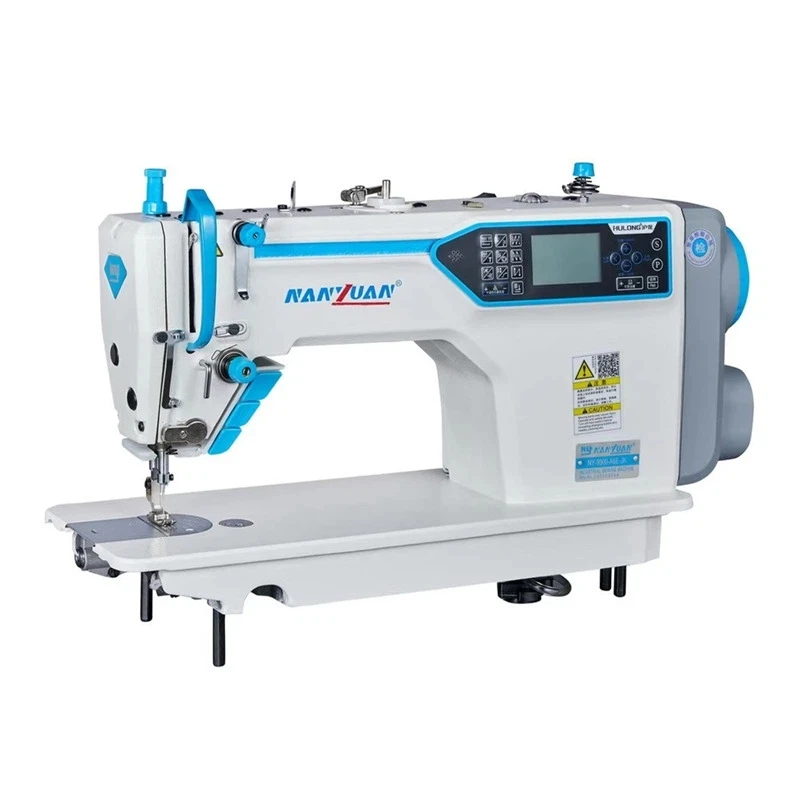
- Built for continuous heavy-duty use, requiring more frequent cleaning
- Need industrial-grade lubricants and feature more precise timing mechanisms
- Shorten professional service intervals and keep full maintenance records
- Neglect can cause large-scale production downtime, requiring extra vigilance
Overlock Machines (Serger)
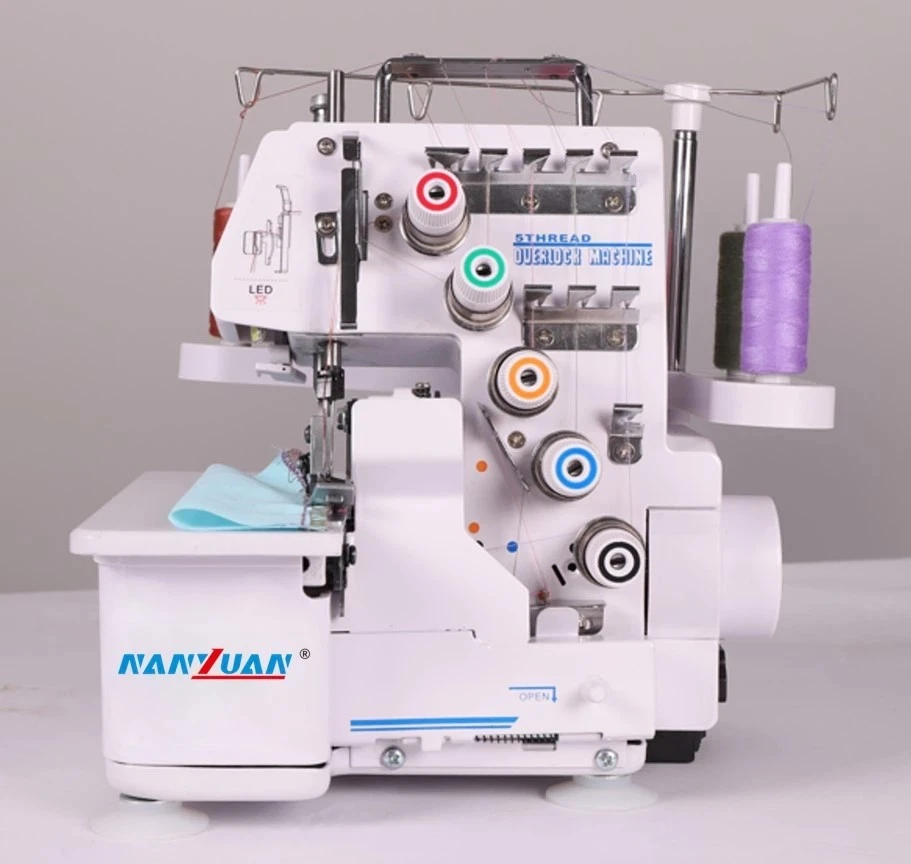
- Regularly sharpen or replace blades and clean the differential feed system
- Focus on looper thread performance and increase oiling frequency
- Promptly remove fabric waste and calibrate tension for multiple threads
Computerized Sewing Machines
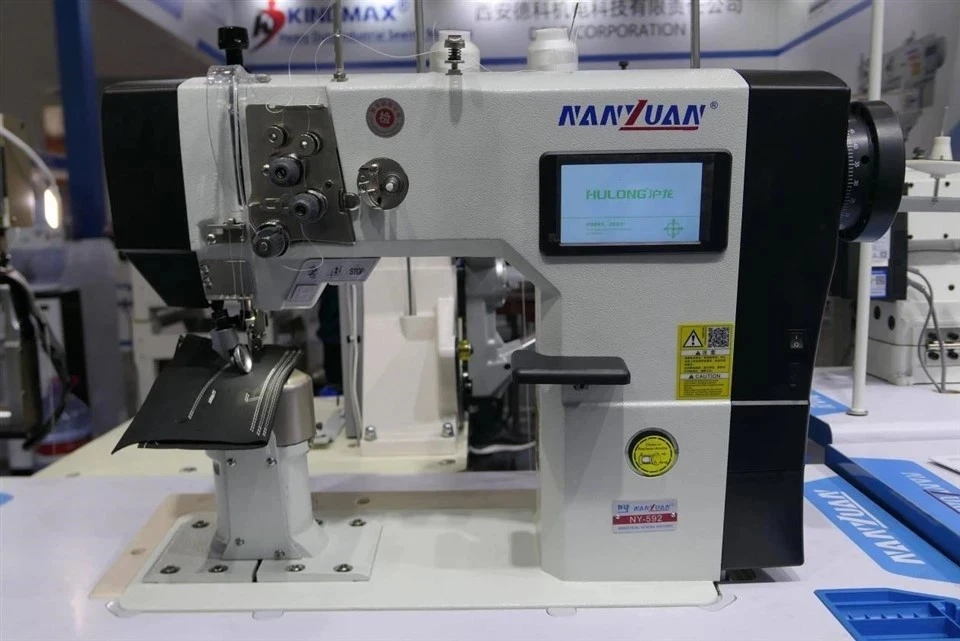
- Install official software updates when available and use surge protectors
- Back up custom stitch settings; only use qualified technicians for electrical issues
- Regularly verify sensor and control panel functionality
VI. When to Call a Professional Technician
- Unusual noise, vibration or stitch problems persist after cleaning and adjustment
- Electrical irregularities: slow response, random shutdowns, panel malfunction
- Visible mechanical damage or loose/detached parts
- After prolonged heavy use or before important production runs
- When scheduled preventive maintenance is due
Tips for Choosing a Reliable Technician
- Ask equipment suppliers for referrals; prioritize manufacturer-certified technicians
- Confirm experience with your specific machine model; compare service fees and turnaround time
- Verify after-sales support and warranty coverage
VII. Maintenance Log & Storage Protection
Maintenance Log (Essential)
Record: service date, tasks completed, parts replaced, issues found, technician notes, next service date.
Purpose: Track machine condition, identify recurring problems, plan replacement budgets, and retain records for resale.
Storage & Protection
- Daily storage: Keep covered, in a temperature-controlled, dry area away from direct sunlight.
- Long-term storage: Perform full maintenance first, remove all thread, apply rust prevention, seal securely, and check periodically.
- Transportation: Secure moving parts, remove heavy accessories, and use professional packaging to prevent impact damage.
VIII. Building a Sustainable Maintenance System
- Train all staff on basic care; post frequency-based checklists at each machine
- Schedule fixed weekly/monthly maintenance and stock supplies (oil, brushes, spare needles)
- Adopt a prevention-first approach: address small issues immediately without delay
- Standardize procedures and keep full records to make maintenance a consistent routine
Conclusion
Sewing machine maintenance is not an extra task-it is essential for ensuring quality, extending lifespan and cutting costs. Whether for domestic or industrial use, consistent care delivers long-term rewards.
Remember these key points: daily cleaning prevents most problems; regular maintenance costs far less than repairs; detailed records ensure consistent care; always consult professionals for complex issues.
Your sewing machine works hard for you-so take good care of it in return. Start your maintenance routine today to boost efficiency, extend equipment life, and make every sewing project smoother and more enjoyable.