

Introduction
Have you ever admired the crisp, polished edges of professionally made clothing and wondered how that factory-finish look is achieved? More often than not, the answer is an overlock machine-also widely known as a serger. A specialized sewing essential, it is an indispensable tool for every dedicated garment maker and sewing enthusiast.
This comprehensive guide breaks down everything you need to know about overlock machines: their core functions, key benefits, and how to select the perfect model for your sewing needs.
What Is an Overlock Machine?
An overlock machine is a purpose-built sewing device that produces durable, finished overlock stitches. Unlike a standard sewing machine, which only sews fabric pieces together, an overlock machine delivers four critical functions in one single step:
- Trims raw fabric edges as it sews
- Wraps thread tightly around fabric edges for a clean, finished look
- Creates reinforced seams that stop fabric from fraying
- Operates at high speeds to boost sewing efficiency
The result is a neat, long-lasting professional edge that far outperforms basic hand-sewn or regular machine finishes.
Understanding Overlock Stitch Types
Three-Thread Overlock
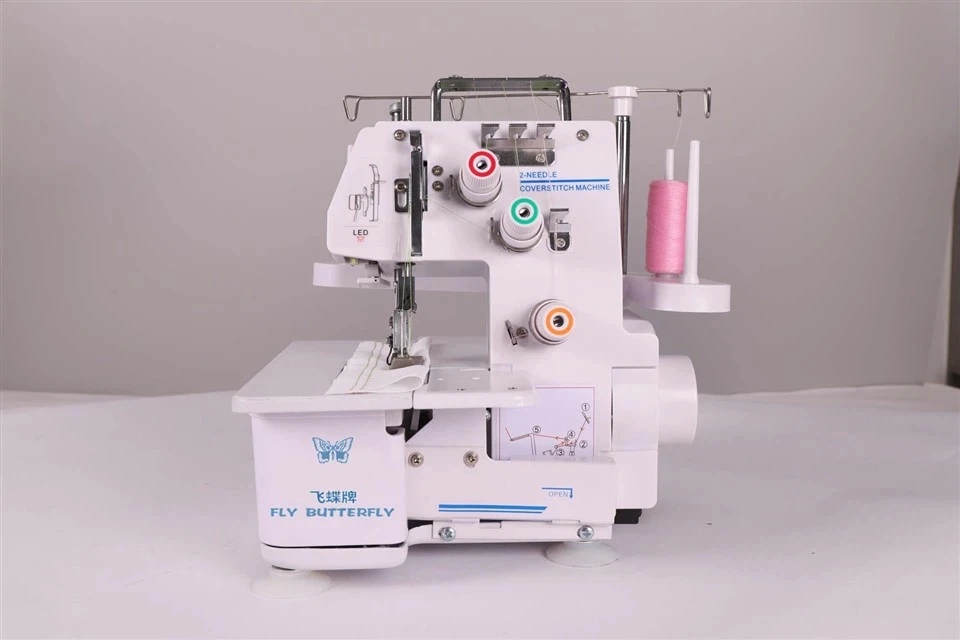
The most fundamental overlock setup, featuring:
- One needle
- Upper looper
- Lower looper
Best for:
- Light to medium-weight fabrics
- Basic edge finishing
- Cost-effective sewing projects
- Knit and lightweight stretch materials
Four-Thread Overlock

A stronger, more versatile upgrade with an additional needle:
- Two needles
- Upper looper
- Lower looper
Best for:
- Medium to heavyweight fabrics
- Projects requiring high seam strength
- Heavy-wear garments needing enhanced durability
- Mixed fabric combinations
Five-Thread Overlock
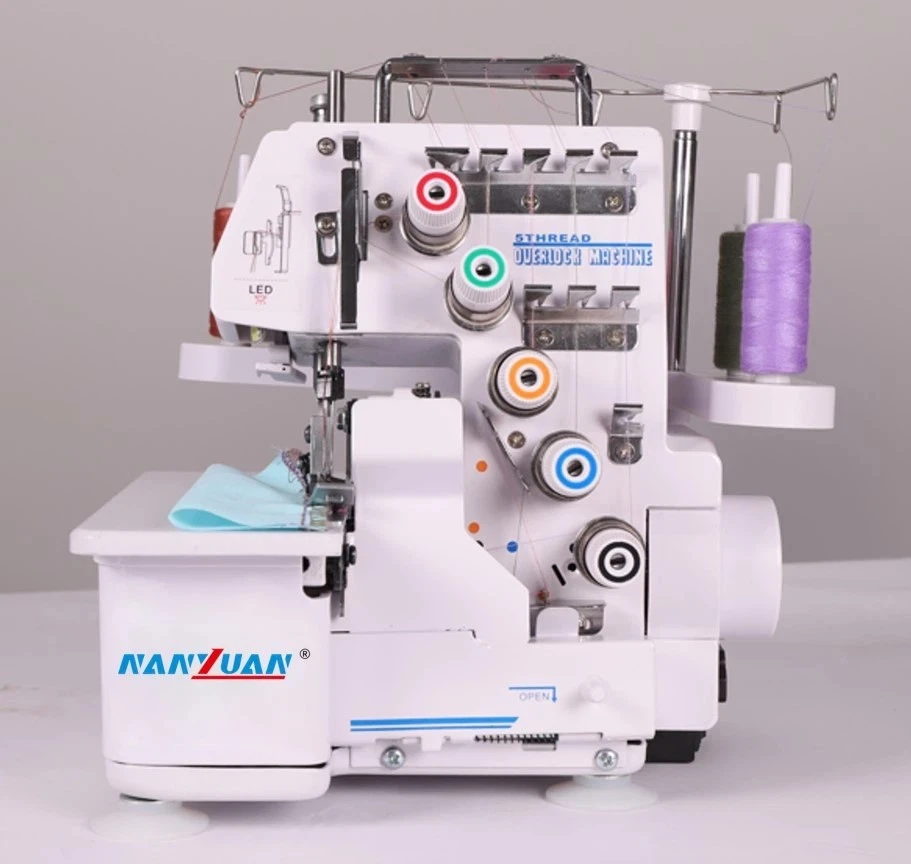
The heavy-duty, industrial-grade stitch configuration:
- Two needles
- Upper looper
- Lower looper
- Cover chain looper
Best for:
- Heavy-duty sewing applications
- Outerwear and rugged apparel production
- Maximum seam sturdiness and longevity
- Professional garment manufacturing
Why You Need an Overlock Machine
Professional-Grade Finishing
The most noticeable advantage of an overlock machine is its refined finish. Overlocked seams lay flat, resist curling, and deliver the sleek, store-bought quality that regular sewing methods simply cannot replicate.
Stops Fabric Fraying
By encasing raw fabric edges in interlocked thread, overlocking eliminates fraying entirely. This significantly extends the lifespan of clothing and textiles, especially items that undergo frequent washing and daily wear.
Faster, More Efficient Sewing
The difference in workflow is transformative:
Traditional sewing method: Cut raw edges → press fabric → sew seams → re-press → trim loose threads → hand overcast edges → press again
With an overlock machine: Trim, sew, and finish edges in one seamless step
This time-saving efficiency makes a dramatic difference, whether you are sewing small home projects or high-volume production work.
Superior Stretchy Seams for Knit Fabrics
Standard lockstitch seams often pucker, stretch out, or snap on flexible materials like knits and activewear. Overlock stitches have natural elasticity, moving and stretching with the fabric to prevent damage and ensure comfort.
Reinforced, Flexible Seams
Overlock stitching creates seams that are both strong and supple. Its interwoven thread design evenly distributes tension and stress, reducing the risk of seam splitting or tearing over time.
Industrial vs. Domestic Overlock Machines
Industrial Overlock Machines
Key Features:
- Engineered for continuous daily operation (8+ hours)
- High stitching speed: 2,000–7,000 stitches per minute
- Heavy, solid frame for maximum stability
- Streamlined controls for fast, uninterrupted work
- Low maintenance needs
- Extended service life under heavy, daily use
Ideal For:
- Garment factories
- Commercial production workshops
- High-volume sewing operations
- Small businesses with daily manufacturing demands
Domestic Overlock Machines
Key Features:
- Designed for occasional, limited use (2–4 hours daily)
- Moderate speed: 1,000–1,700 stitches per minute
- Lightweight, compact, and highly portable
- Extra built-in features and stitch variations
- User-friendly controls ideal for beginners
- Affordable upfront cost
Ideal For:
- Home sewers and hobbyists
- Small craft and handmade businesses
- Quilters and textile crafters
- Casual garment makers
Key Features to Consider When Buying
Sewing Speed
Measured in stitches per minute (SPM):
- Entry-level domestic: 1,000–1,300 SPM
- Mid-range domestic: 1,300–1,700 SPM
- Industrial models: 2,000–7,000 SPM
Higher speeds improve productivity but require greater skill for precise control.
Differential Feed
A must-have feature that regulates the movement of front and rear feed dogs.
Core Benefits:
- Prevents puckering on stretch fabrics
- Enables controlled gathering on woven materials
- Delivers consistent results with tricky or delicate fabrics
- Ensures uniform, professional edge finishes
Number of Threads
More threads deliver:
- Stronger, more resilient seams
- Wider project versatility
- Higher ongoing thread costs
- Slightly more complex threading processes
Air-Threading vs. Manual Threading
Air-Threading System:
- Thread is guided through the machine via compressed air
- Dramatically faster threading
- Simple, quick colour changes
- Higher initial purchase cost
Manual Threading:
- Traditional hand-threading method
- Common on industrial overlockers
- Requires practice for fast operation
- Found on more budget-friendly models
Safety Features
Prioritise models with:
- Finger safety guards
- Emergency stop buttons
- Motor overload protection
- Automatic power shutoff
- Heat resistance for long sewing sessions
Workspace & Ergonomics
Consider:
- Throat depth (open space behind the needle)
- Compatible extension tables for larger projects
- Free-arm functionality for curved hems and cuffs
- Built-in LED lighting for clear visibility
Common Applications
Garment Manufacturing
- Side seams for T-shirts and knitwear
- Edge finishing for all apparel types
- Rolled hems and narrow edge finishes
- Attaching trims, bindings, and elastic
Tailoring & Clothing Alterations
- Professional hem finishing
- Seam repairs and garment mending
- Custom clothing construction
- Handmade specialty apparel
Home Sewing & Crafts
- Elevated handmade clothing with store-quality finishes
- Hard-wearing children's garments
- Durable home textiles, cushions, and linens
- Handmade craft and fabric projects
Specialty Apparel
- Swimwear and beachwear construction
- Performance activewear
- Dance costumes and athletic uniforms
- Theatrical and custom costume design
Understanding Thread Requirements
Common Thread Types
Standard Polyester Overlock Thread
- All-purpose for most sewing projects
- Balanced strength and mild stretch
- Durable and cost-effective
Woolly Nylon Thread
- Excellent stretch and shape retention
- Perfect for knits, activewear, and delicate fabrics
- Ultra-soft texture for comfortable wearable items
Cotton-Wrapped Polyester Thread
- Natural cotton aesthetic and feel
- Reliable long-term durability
- Minimal stretch, best for non-stretch woven fabrics
Thread Cost Considerations
- Domestic overlockers use standard small thread cones
- Industrial machines require large, high-capacity cones
- High-quality thread reduces jams, breakage, and stitching errors
- Bulk thread purchasing lowers long-term expenses
Maintenance Requirements
Daily Care
- Clear lint and fabric debris after every use
- Wipe down the machine exterior
- Inspect blade sharpness and condition
- Check and adjust thread tension
Weekly Maintenance
- Deep clean lint from internal components
- Lubricate moving parts as recommended
- Examine cutting blades for dullness
- Test differential feed performance
Long-Term Professional Servicing
- Professional blade sharpening or replacement
- Timing and stitch alignment inspections
- Motor and electrical system checks
- Complete full mechanical servicing
Troubleshooting Common Overlock Issues
Loose Loops on the Underside
Cause: Lower looper tension is too loose
Solution: Gradually increase lower looper tension
Loose Loops on the Topside
Cause: Upper looper tension is insufficient
Solution: Tighten upper looper tension settings
Skipping Stitches
Causes: Incorrect threading, worn or bent needles, misaligned timing
Solutions: Fully re-thread the machine, replace dull needles, book professional servicing
Fabric Fails to Feed Smoothly
Causes: Low presser foot pressure, clogged feed dogs, sticky or thick fabric
Solutions: Increase presser foot pressure, clean feed dogs, use specialised presser feet
Frequent Thread Breakage
Causes: Rough thread paths, unbalanced tension, low-quality thread
Solutions: Inspect thread guides, adjust tension levels, switch to premium sewing thread
Choosing the Right Overlock Machine
Assess Your Sewing Needs
- Workload: How many hours will you sew each day?
- Fabric Types: What materials will you work with most often?
- Space Limitations: How much workspace do you have available?
- Budget: What is your realistic spending range?
- Skill Level: Are you a beginner, intermediate, or advanced sewer?
Match Your Machine to Your Projects
High-Volume Production
- Industrial overlock machine
- Five-thread stitching capability
- Maximum speed and heavy-duty build
- Robust frame and low-maintenance design
Small Business & Makers
- Semi-industrial or high-quality domestic overlocker
- Four-thread standard configuration
- Versatile stitch options and practical features
- Balanced performance and value for money
Home & Hobby Use
- Reliable domestic overlock model
- Multi-thread compatibility (3/4 thread)
- Beginner-friendly functions and simple controls
- Comprehensive instruction manuals and support
The Investment Perspective
Long-Term Value
When budgeting, calculate total long-term costs:
- Initial machine purchase price
- Ongoing thread and accessory expenses
- Routine maintenance and servicing fees
- Energy consumption
- Replacement parts
- Lost productivity from low-quality, unreliable equipment
Higher-quality machines often deliver better cost efficiency over time, despite a higher upfront investment.
Getting Started with Your Overlocker
Learning Curve
New overlock users will need to learn:
- Basic machine threading techniques
- Precision tension adjustment
- Proper fabric handling for different materials
- Speed control for clean stitching
- Simple routine maintenance
Practice Materials
Start with:
- Medium-weight cotton fabric scraps
- Straight, simple seam practice
- Basic edge finishing techniques
- Slow, controlled stitching before increasing speed
Building Your Skills
- Begin with small, simple sewing projects
- Master tension adjustment for different fabrics
- Perfect one stitching technique at a time
- Gradually experiment with advanced finishes and materials
Conclusion
An overlock machine is not a luxury sewing accessory-it is an essential tool for anyone serious about garment making and textile crafting. Whether you operate a commercial factory or sew casually at home, the professional finishes, faster production speed, and superior seam quality of an overlocker cannot be replicated by standard sewing machines.
Always select a machine that aligns with your unique workflow, production volume, fabric choices, and budget. A well-matched, high-quality overlock machine will deliver reliable performance for many years.
The investment in an overlock machine pays lasting dividends: cleaner seams, longer-lasting garments, faster workflow, and consistently professional results. If you are passionate about sewing, add an overlock machine to your workspace. Your finished projects will look polished, wear better, and you will wonder how you ever sewed without it.